Myopia (Nearsightedness)
Understanding and managing nearsightedness in children and adults
What is Myopia?
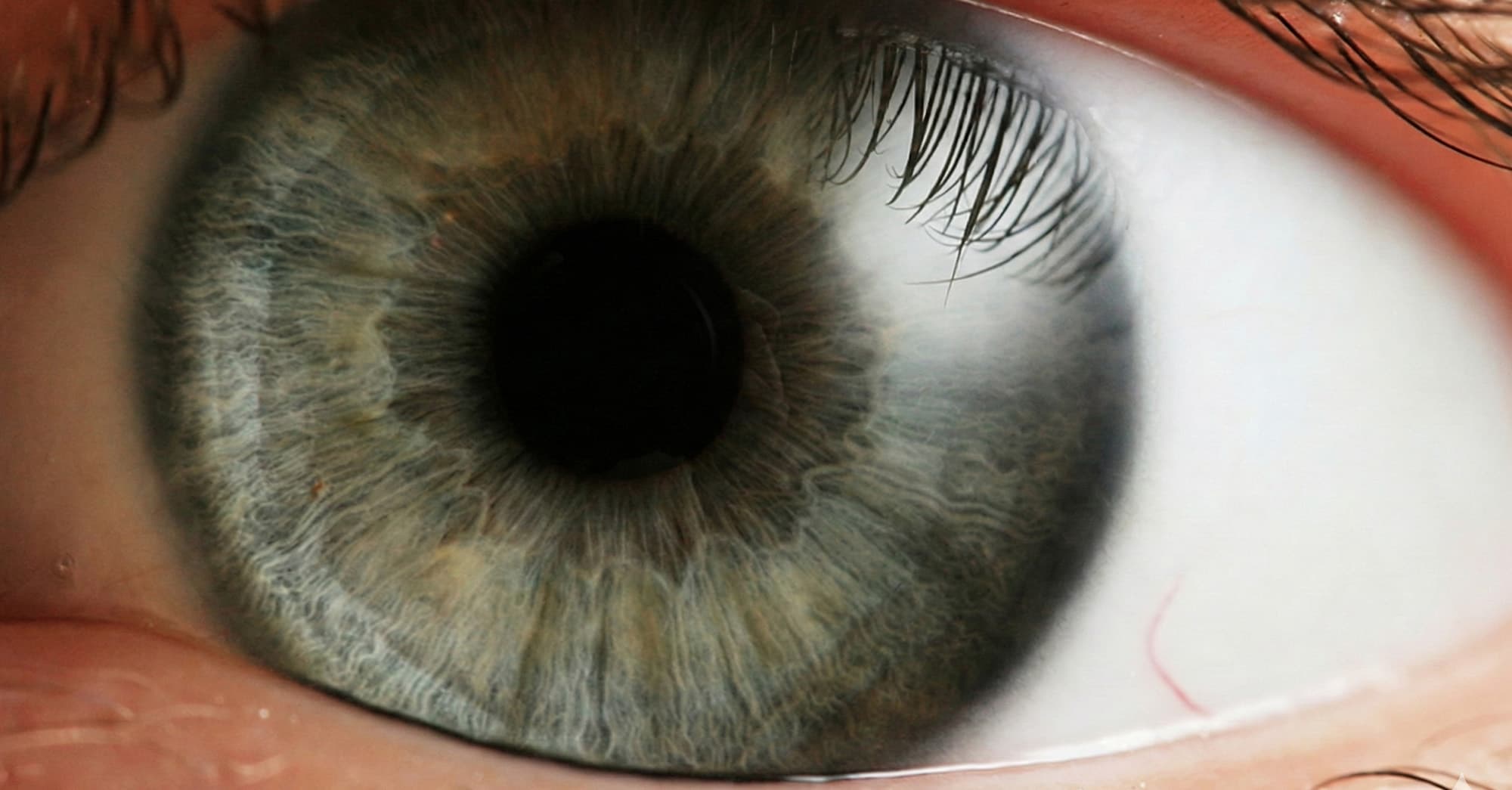
Myopia, commonly known as nearsightedness, is a refractive error where distant objects appear blurry while close objects remain clear. It occurs when the eyeball is too long or the cornea is too curved, causing light to focus in front of the retina instead of on it.
Myopia typically develops in childhood and can progress until the late teens or early twenties. The global prevalence of myopia is increasing dramatically, with studies predicting that nearly 50% of the world's population will be myopic by 2050 (study published in journal "ophthalmology" in 2016). Without appropriate management, prescriptions can change aggressively as vision declines.
Common Symptoms:
- Difficulty seeing distant objects clearly
- Squinting to see better
- Eye strain and headaches
- Sitting too close to TV or screen
- Difficulty seeing the board at school
Myopia Management & Control
Modern solutions to slow myopia progression and protect long-term eye health
Myopia Control Glasses
Specialized lenses designed to slow myopia progression in children
Key Benefits:
- Non-invasive
- Easy to use
- Proven effectiveness
- Comprehensive warranty coverage
Orthokeratology (Ortho-K)
Overnight corneal reshaping may be an option for some patients. Ask our team whether ortho-k is right for your child.
Key Benefits:
- Consultation required
- Doctor-guided
- Personalized assessment
Myopia Control Lenses
Daytime contact lenses engineered to create peripheral defocus and slow axial elongation
Key Benefits:
- Flexible wearing schedule
- Clear vision
- Research-backed
Atropine Drops
Low-dose eye drops may help slow myopia progression in some children. Your doctor can discuss whether this approach is right for your child.
Key Benefits:
- Easy application
- Clinically studied
- Doctor-guided
Trusted Myopia Technology Partners
Glasses

ZEISS MyoCare
Glasses

Essilor Stellest
Contact Lenses

J&J Abiliti
Contact Lenses
CooperVision MiSight
Why Myopia Control Matters
While glasses and contact lenses correct myopic vision, myopia control aims to slow the progression of nearsightedness, particularly in children. This is important because:
- Reduces future eye health risks: High myopia increases the risk of serious eye conditions like retinal detachment, glaucoma, and cataracts
- Limits prescription increases: Slowing progression means less dependence on thick lenses
- Improves quality of life: Better long-term vision outcomes and more lifestyle options
Lifestyle Tips for Myopia Prevention
Outdoor Time
Spend at least 90-120 minutes outdoors daily. Natural light exposure may help prevent myopia development.
Screen Breaks
Follow the 20-20-20 rule: every 20 minutes, look 20 feet away for 20 seconds during close work.
Proper Distance
Maintain appropriate reading distance (30-40cm) and good posture during near work activities.
Start Your Myopia Management Journey
Our specialists can create a personalized myopia management plan for you or your child.
Stay Connected
Subscribe to get exclusive eye health tips, special promotions, and 10% off your first order!
We respect your privacy. Unsubscribe anytime.